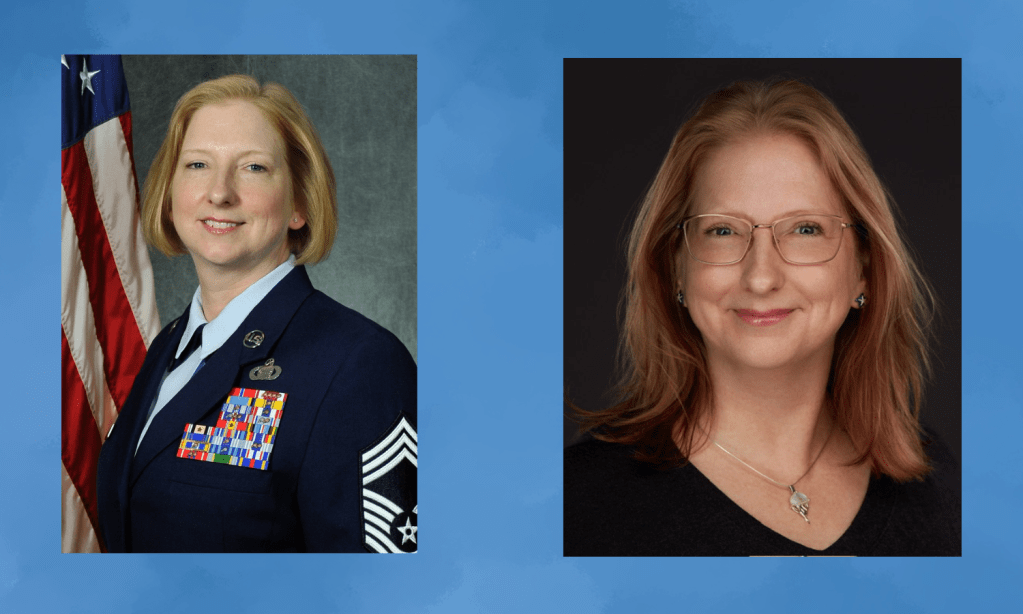
by Kerri Bjorkholm, Program Coordinator
This year marks my first Veterans Day as a veteran, after 29 years of service in the U.S. Air Force. It’s a strange feeling, as I find myself trading one holiday for another, reflecting on how I fit into the veteran community, and marking yet another milestone in my transition from military life to civilian life.
In the U.S., our military observances—Armed Forces Day, Memorial Day, and Veterans Day—are often grouped together, but each holds distinct meaning. Though they all honor those who serve/have served in the military, they acknowledge different aspects of our service, and each has its own significance. For me, as I move from active duty to retiree, the way I connect to these days is evolving.
Armed Forces Day is held each year on the third Saturday in May. First celebrated in 1950, this day honors all who are currently serving in the U.S. military. It’s a day to thank and recognize our current service members for their commitment and sacrifices.
Memorial Day, now observed on the last Monday in May, was originally called Decoration Day and occurred on May 30th when it began in 1868. In 1968, Congress officially established the holiday as Memorial Day and moved it to the last Monday in May. This day specifically honors and remembers those who gave their lives in service to our country. It is an emotional and meaningful day for many, and while you may hear or see the sentiment “Happy Memorial Day,”
it is important to remember the solemnity of the day. It is about reflection, gratitude, and respect for those who made the ultimate sacrifice and the loved ones they left behind.
Veterans Day, which falls on November 11th each year, was originally known as Armistice Day and was first observed in 1919 to commemorate the end of World War I. In 1954, the holiday was expanded to honor all U.S. veterans, and the name was changed to Veterans Day. This holiday pays tribute to the service of all American veterans, living and deceased, and the contributions they have made to our country.
As of 2022, there were approximately 16.2 million veterans in the United States, representing about 6.2% of the adult population. While the total number of veterans is steadily decreasing, the demographic diversity among veterans is increasing. Veterans come from all walks of life—different ages, sizes, ethnicities, genders, backgrounds, and beliefs—and each of us carries the impacts of our service, many of which are invisible. Veteran or not, everyone faces their own battles, and we don’t always see them. Treating each other with dignity and respect, especially as we all navigate our unique journeys, is one of the most meaningful ways to honor those who have served.
On this Veterans Day, I reflect not only on my own service but the service of all veterans—those who came before me, those I served alongside, and those who continue to serve today. I am reminded that this day is not just about what we accomplished during service, but who we continue to be: individuals, families, and communities that share a common bond of service, resilience, and humanity.
 Full Circle Grief Center