
by Carrie Schaeffer, LCSW
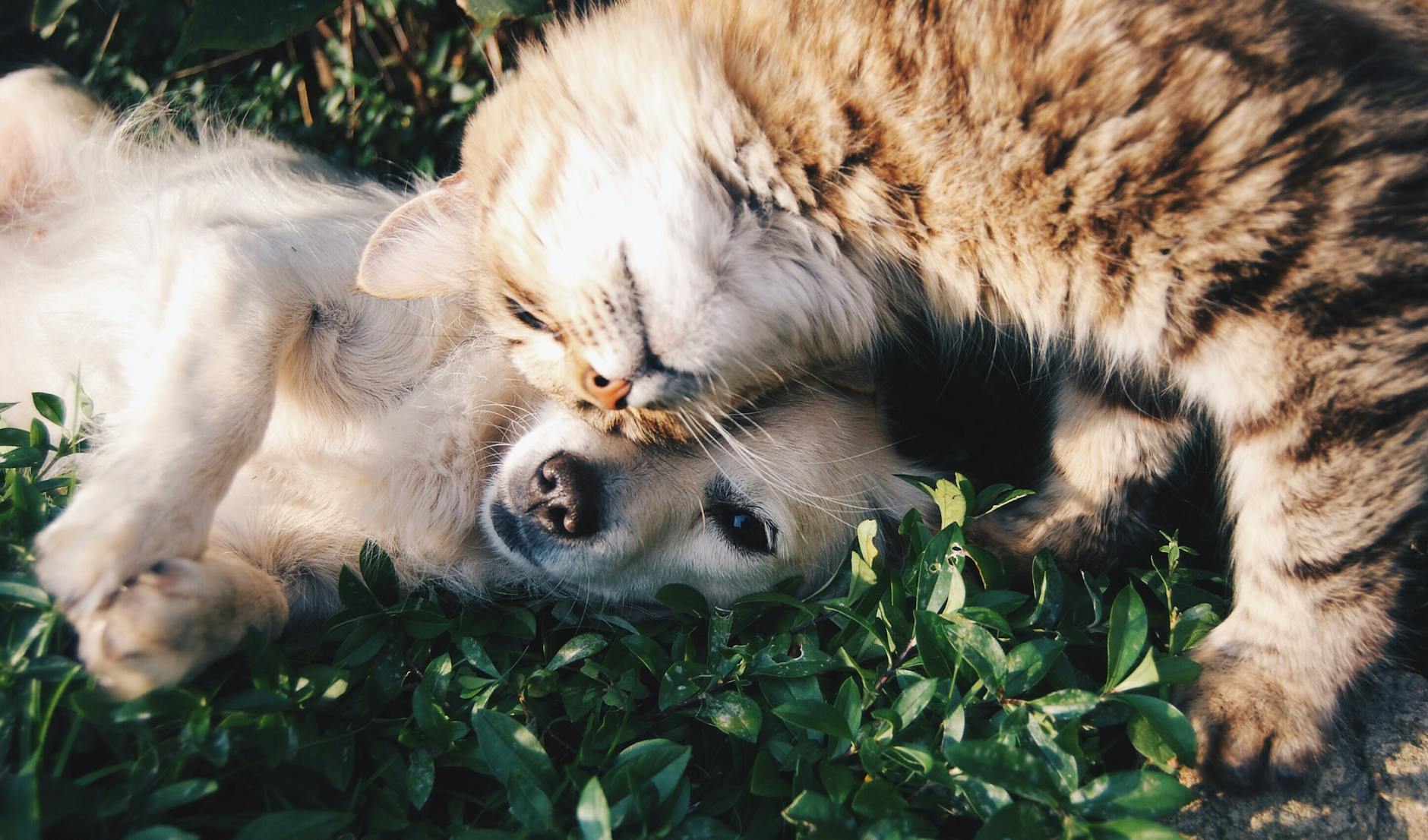
I’ve spent nearly 50 years on Earth and very few of them have been spent without a pet in my home. I grew up with dogs and cats, fish, hamsters, hermit crabs and one rabbit called Pebbles. As an adult, I became a dog owner as soon as I moved into a space large enough to house more than just myself and my children have never known a home that didn’t include a canine family member. Each of these animals has been a beloved friend and companion in the truest sense of the word.
If you too have been a pet owner, then you know the unconditional love, comfort and support that an animal can bring into your life. French poet Anatole France wrote, “Until one has loved an animal, a part of one’s soul remains unawakened.” It is hard to measure the love we feel for our animals and so, when a pet dies, our grief is also immeasurable. We feel a painful longing to have more time with them. Our living space feels stiller and colder without the tip-tap of their paws or the warmth of their nuzzles. Our anxiety may become more intense without their calming presence. And, our daily routine is disrupted, leaving us without a sense of purpose or order.
When our 11-year-old dog died in September of last year, I felt the pain of her immediate absence. But I also felt a heavy, nostalgic sadness thinking back on years when my children were very young, family vacations, celebrations, and other losses – all of which she was present for. Novelist John Galsworthy wrote “Not the least hard thing to bear when they go from us, these quiet friends, is that they carry away with them so many years of our own lives.”
The grief following the death of a pet often fits the definition of disenfranchised grief in that it is not acknowledged by society the way other types of losses are. When this happens, grievers are left feeling isolated and unworthy of bereavement support. The truth is, pet loss calls for permission and space to grieve in the same way we grieve other deaths.
Here are some tips for grieving the death of a pet:
- Find support – grief counseling and/or a support group can help you express and understand your feelings, learn ways to manage grief anxiety and connect with others who understand the heartbreak of losing a pet.
- Care for yourself – adequate sleep, gentle exercise and good nutrition are important when you’re grieving. Grief is a full-body experience and can be physically exhausting so taking care of your body is just as important as taking care of your spirit.
- Remember your pet – there are many ways to keep the memory of your pet alive. Creating an album of photos, planting a tree, painting a garden stone, donating to an animal advocacy organization, creating a keepsake with their paw print and making a memory box are just a few ideas for memorializing your pet.
- Grieve together – if you have children at home, support them in their grief as well. Be open and honest about death and allow your children to say goodbye to the pet when possible. Picture books such as The Tenth Good Thing about Barney or Big Cat, Little Cat can help you explain loss when the right words are hard to find.
 Full Circle Grief Center